


Likely to sell out
2 hours·English, French
4.9(151)
Mauritius Le Morne: Wild Dolphin Watching & Swimming
Free cancellationDolphins swimSnorkelling
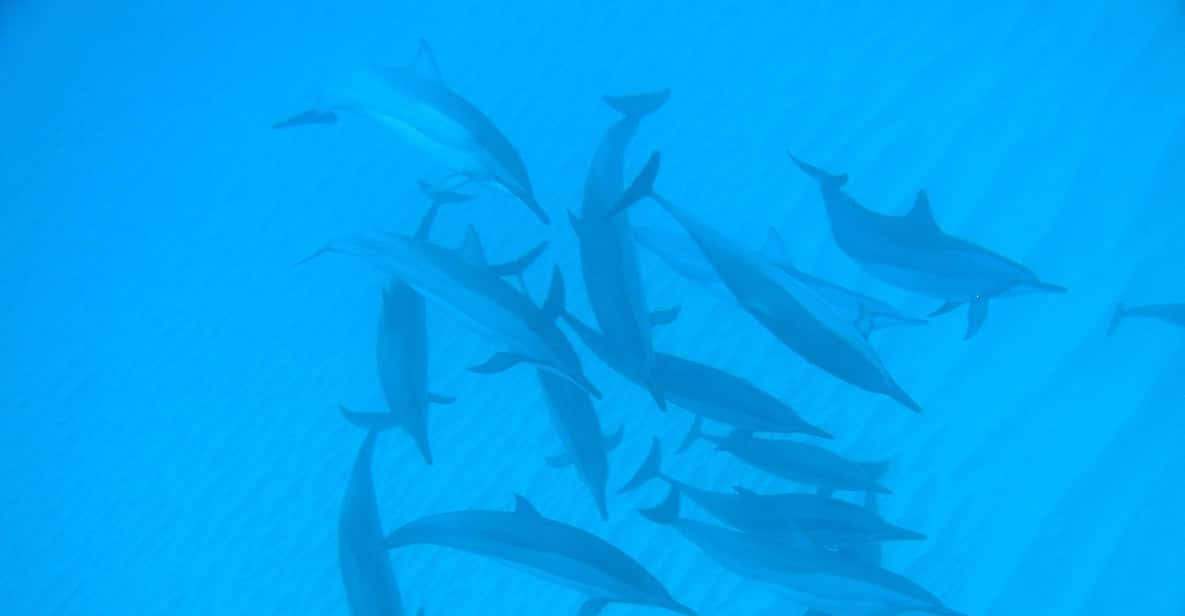
Swim with wild dolphins off Mauritius with confidence, not guesswork. Guided speedboat tours with licensed skippers, safety briefings and snorkeling gear supplied, plus a clear packing list so you arrive ready. Pick a tour and book your morning on the water.
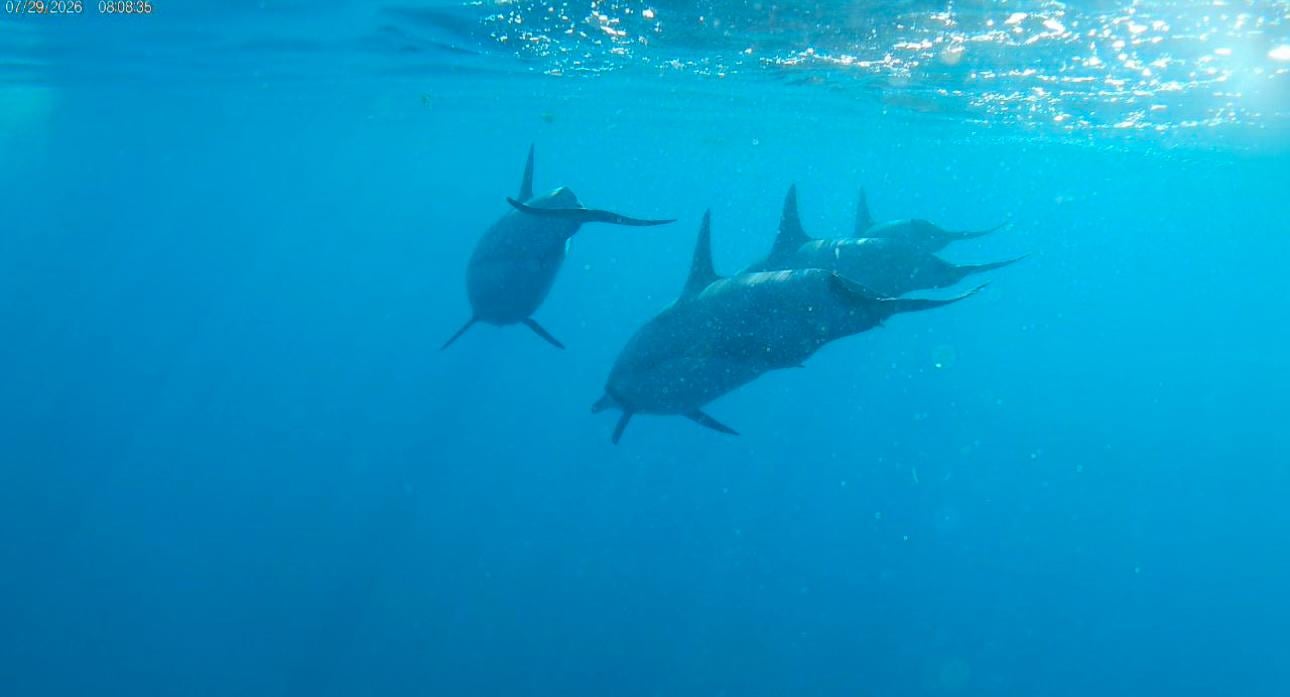
"Our skipper knew where to find the dolphins. When wind made the sea rough, he chose a safer spot instead. We saw many dolphins and swam underwater with them. Lovely experience!"
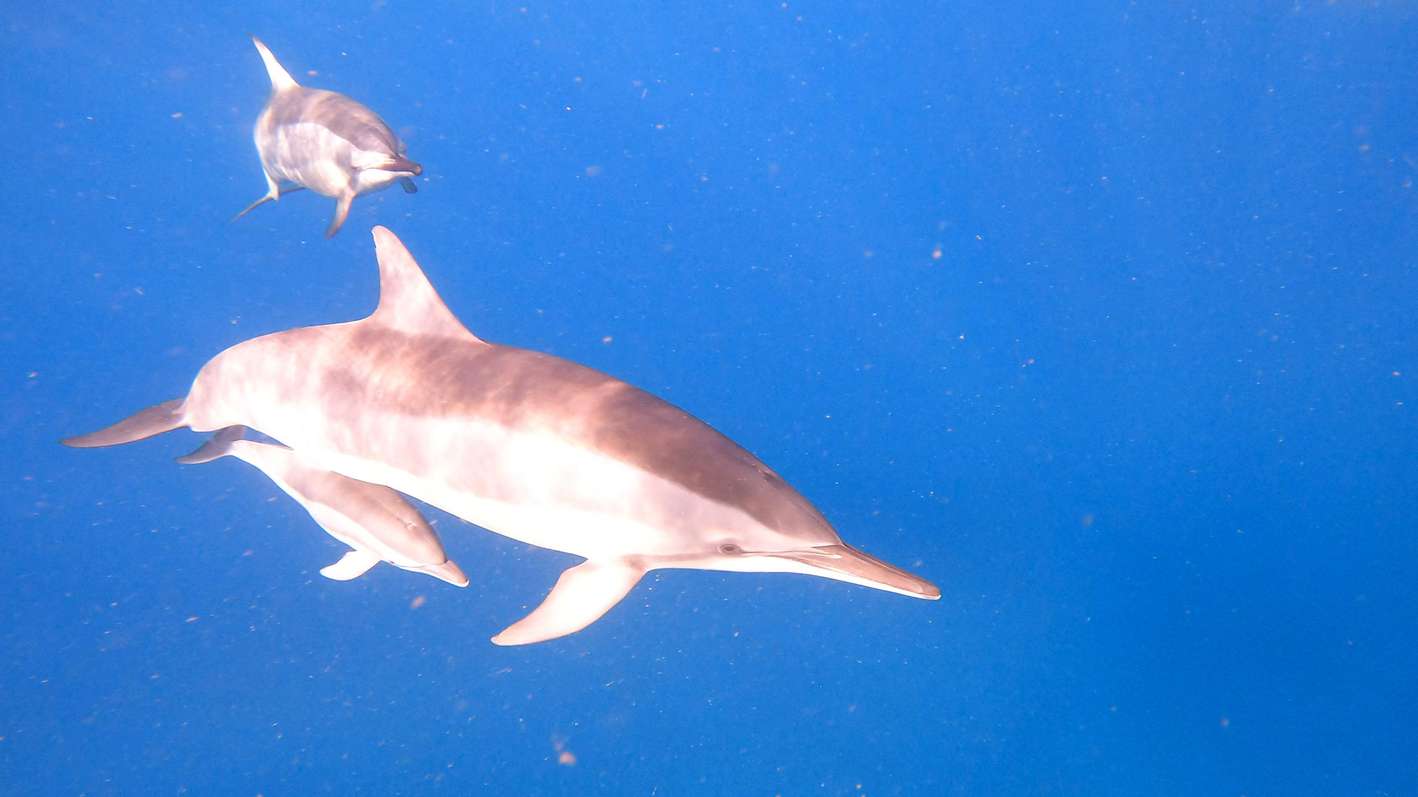
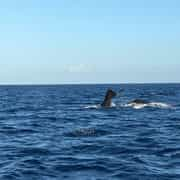
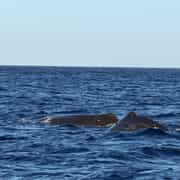
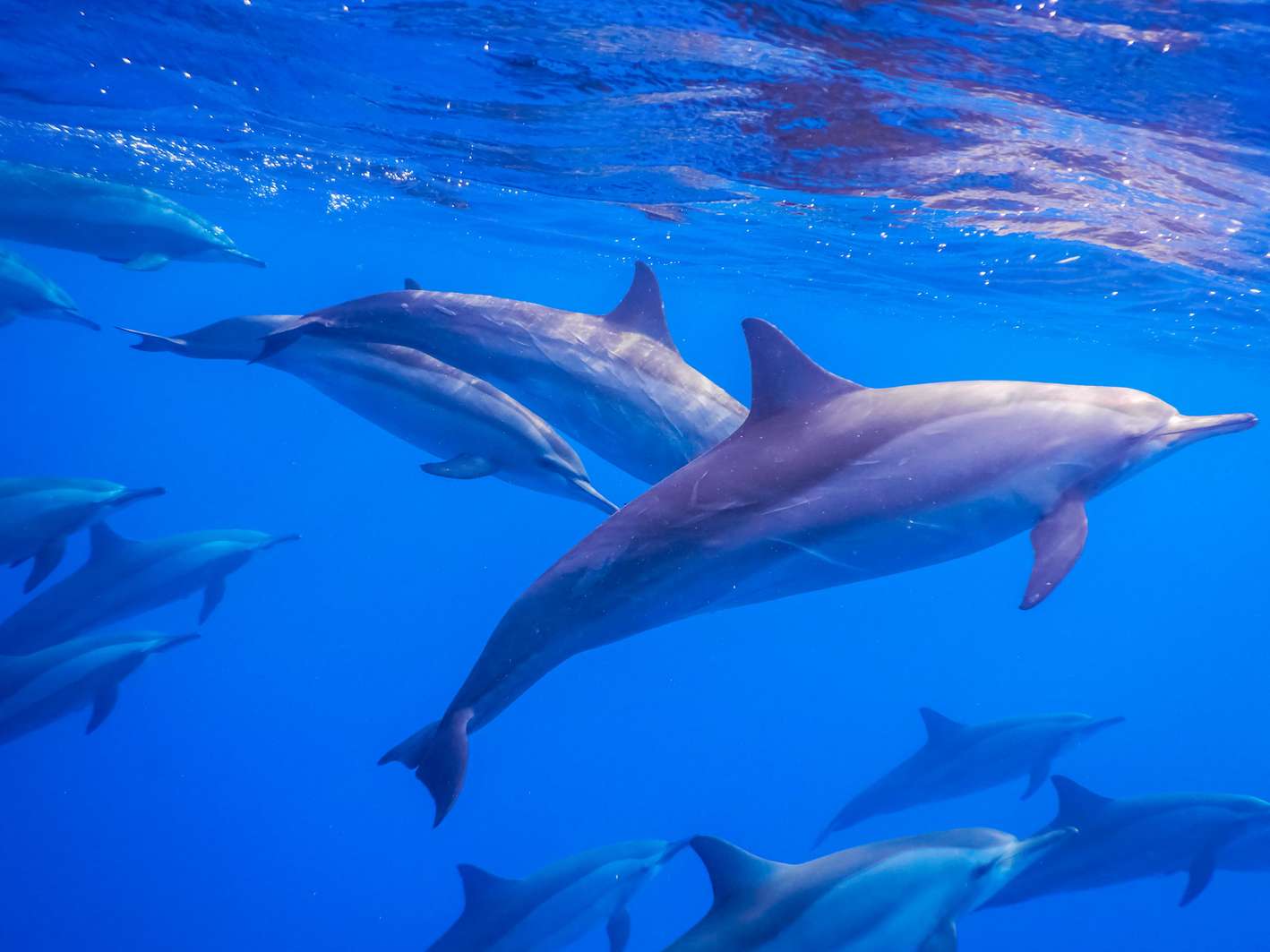
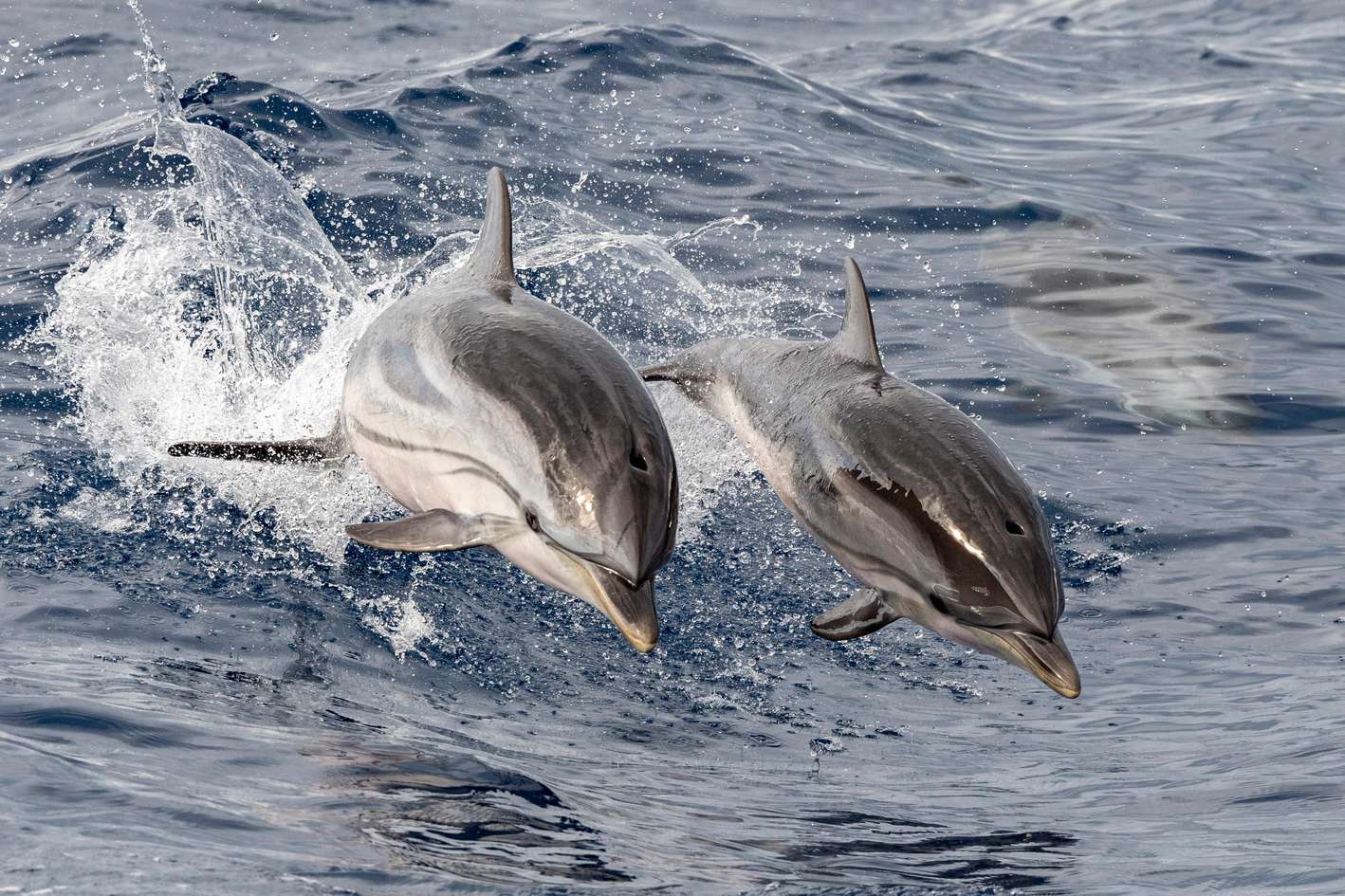
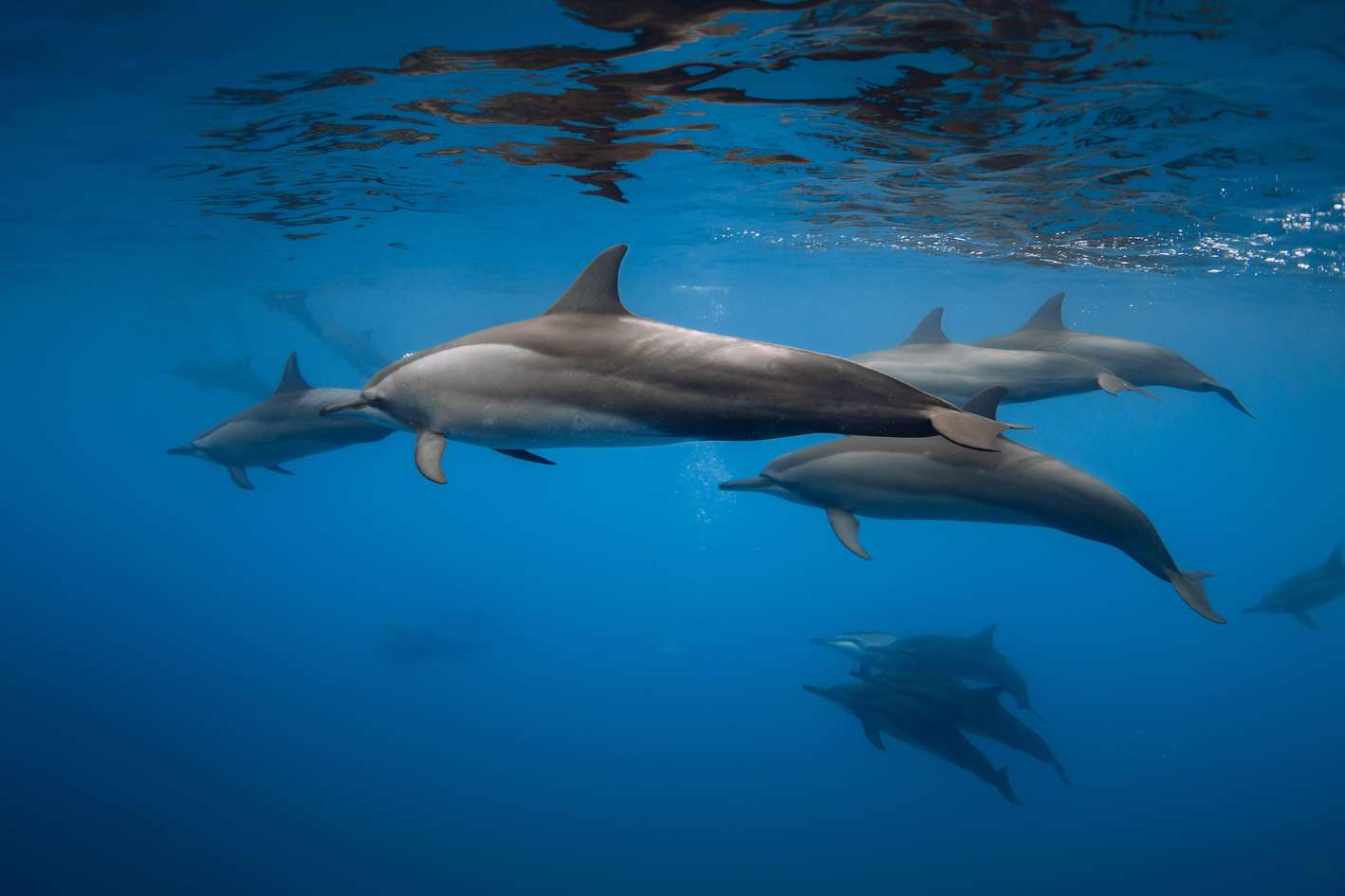
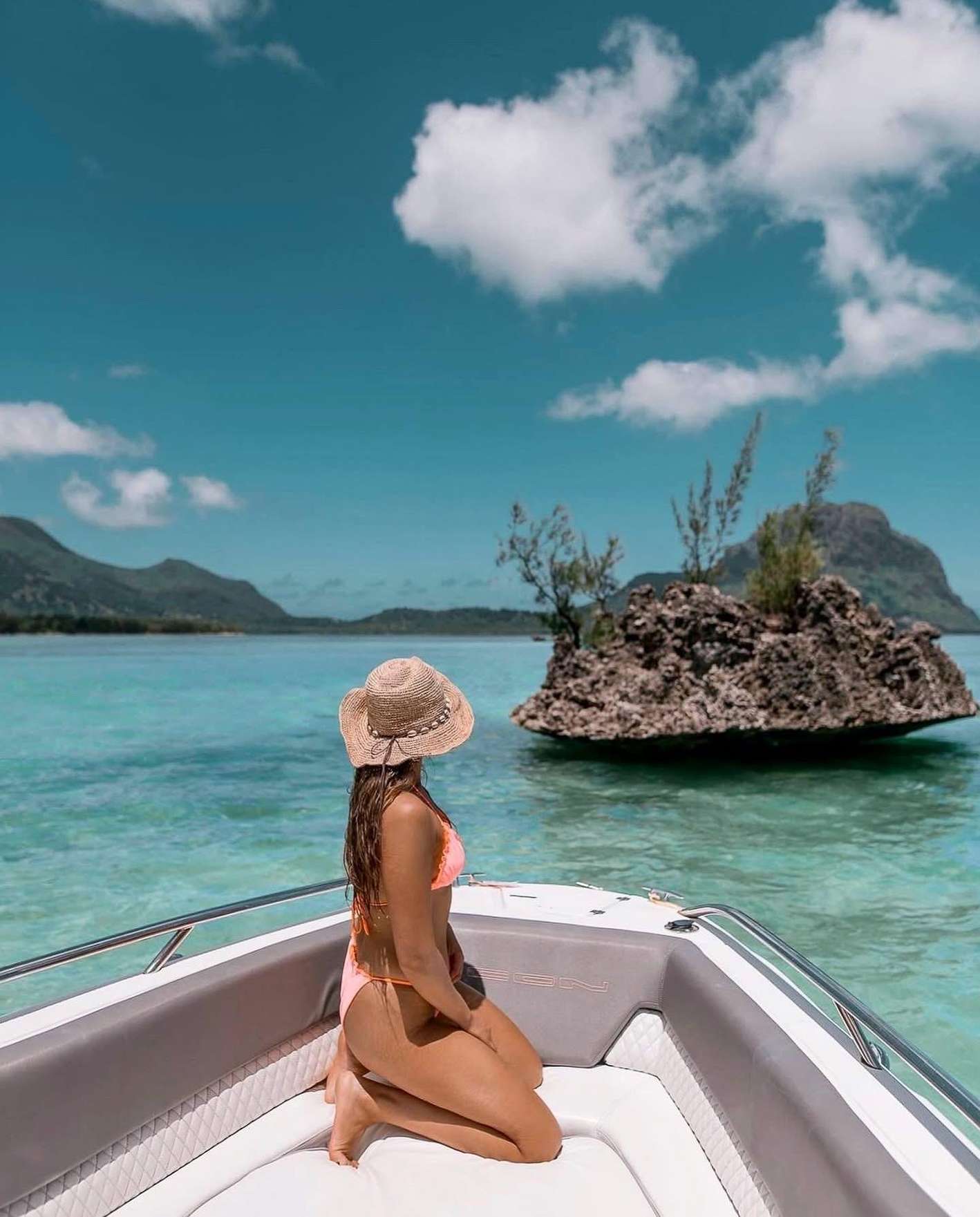
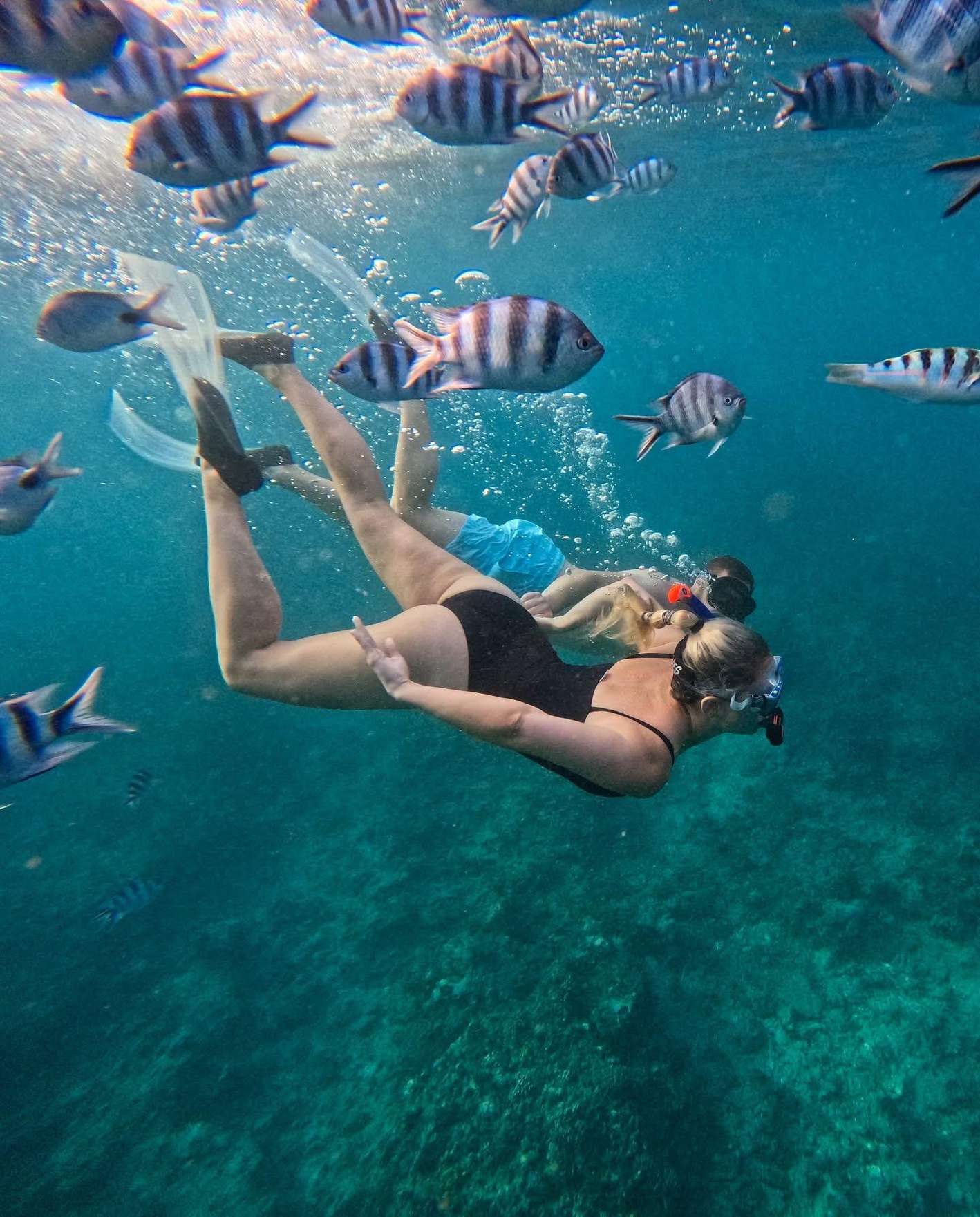


max 3 swimmers plus the life-saver
A 50-metre swim in choppy open water, a boat that rocks while you climb back in, and a pod that owes you nothing. Prepare the swim fitness, pack the right kit, and pick the trip that fits.
The test is swimming 50 metres in choppy water with a mask and fins, plus getting back on the boat repeatedly.
No more than three people, including the life-saver, may be in the water at once on a paid dolphin swim.
Wear your swimsuit under your clothes, add a light windbreaker for the ride, and keep a hat and sunscreen handy.
Boats supply masks, fins and life jackets, but your own fitted mask is less likely to leak when dolphins glide past.
Go at first light: pods rest near shore early, then move offshore by mid to late morning as the bay fills with boats.
Book a watch-only trip if you cannot swim 50 metres in choppy water, tell the operator about pregnancy or health conditions before you pay, and confirm lifejackets are provided outside the lagoon.
The test is simple. Can you swim 50 metres in choppy open water, wearing a mask and fins, without panicking? Can you climb back into a moving boat from deep water, several times in a morning?
Can you briefly free-dive two or three metres on a held breath? If yes to all three, you are ready for the swim. If any answer is no, a watch-only trip is the wiser pick and still gives you a very good morning.
The swim happens outside the reef, in real ocean. Currents past Le Morne and Black River can run faster than half a metre per second, and water can push hard out through the pass on a falling tide. Encounters are brief swims as pods pass, so you may need to keep pace with moving animals.
The rules make it manageable. Paid dolphin swims run under a licence, with a certified skipper, a life-saver on board and a first-aid and oxygen kit.
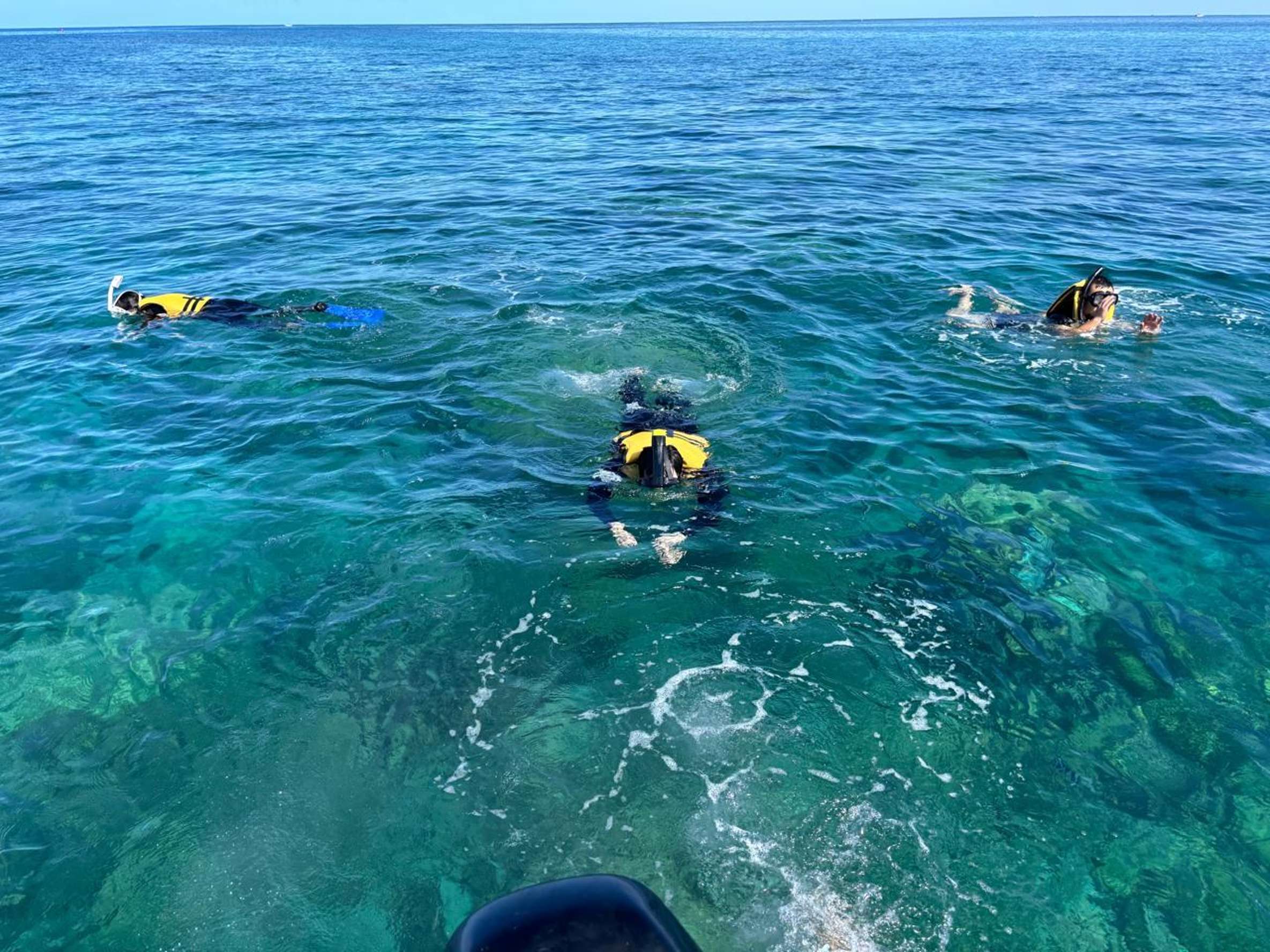
No more than three people, including the life-saver, may enter the water at once, and every swimmer gets a briefing on calm, silent swimming before getting in. The tour supplies snorkeling gear, and the guide knows how to place swimmers along the pod's path.
One operator expects swimmers to be reasonably fit and familiar with a mask and fins, and can refuse entry to the water if someone appears insecure. People who have done it say booking with knowledgeable guides helps nervous travelers and average swimmers feel secure in open water.
Decide now how you will get back to the boat and check you can do it easily, so you never float uncertain in deep water.
Dolphins often glide a few metres below the surface, so a short dive turns a distant glimpse into a real encounter.
If you seem insecure with the mask and fins, the crew can keep you on the boat, so practice in a pool or the lagoon first.
Wild dolphins are free-swimming animals in deep water. You observe them as they pass. Nobody touches or holds them, and that is what makes the encounter worth having.
Dress for two climates in one morning. The boat leaves before dawn, and the ride outside the reef feels cool and breezy even in the warm season, with spray coming over the deck.
Wear your swimsuit under your clothes from the start, and put a light windbreaker or sweatshirt over it for the crossing. By the time the sun is up, the tropical heat arrives, so keep a hat and sunscreen ready on deck.
The tour includes water and soft drinks, and it asks guests to bring their own swimwear and towel. A waterproof phone pouch protects your phone from spray during the fast ride out.
Check your swimwear and gear before you pack. Loose strings, dangling cords or accessories can catch on boat hardware or tempt curious marine life. Snip or tuck anything that hangs. That small check saves you from a tangled fin strap in deep water.
The boat supplies most of it. The tour includes snorkeling gear and life jackets, and people who have done this trip confirm that masks and fins were provided. So a first-timer can turn up with a swimsuit and a towel and be equipped.
Your own mask is worth packing anyway. A mask fitted to your face is less likely to leak, and that matters because dolphin encounters are brief underwater moments.
A leaky mask means you spend the pod's pass adjusting the strap instead of watching. If you own a mask, bring it; if not, the boat's gear works.
On fins, the trade-off is honest. A snug full-foot fin transfers power well and is less likely to come off, while open-heel fins with booties are easier to remove in the water and use to climb aboard. For this trip, either works; open-heel fins have a small edge for repeated re-entries.
The life jacket is required by law. When a commercial pleasure craft navigates outside the lagoon, everyone on board, including children and non-swimmers, must wear a personal flotation device.
That can be a lifejacket, a self-rescue bracelet or an inflatable belt pack. Skippers who break these rules face licence suspension and craft seizure, so the boats take it seriously.
On wetsuits, a neoprene suit is not a universal requirement. Winter sea temperatures near this coast sit around 23 to 25 degrees Celsius, so a thin shorty is mainly useful if you get cold easily or plan a long swim. Larger travelers should confirm in advance that the operator carries wetsuits in suitable extended sizes.

The framework is real and licence-backed. Paid dolphin-watching trips that include swimming need a specific licence and a certified skipper.
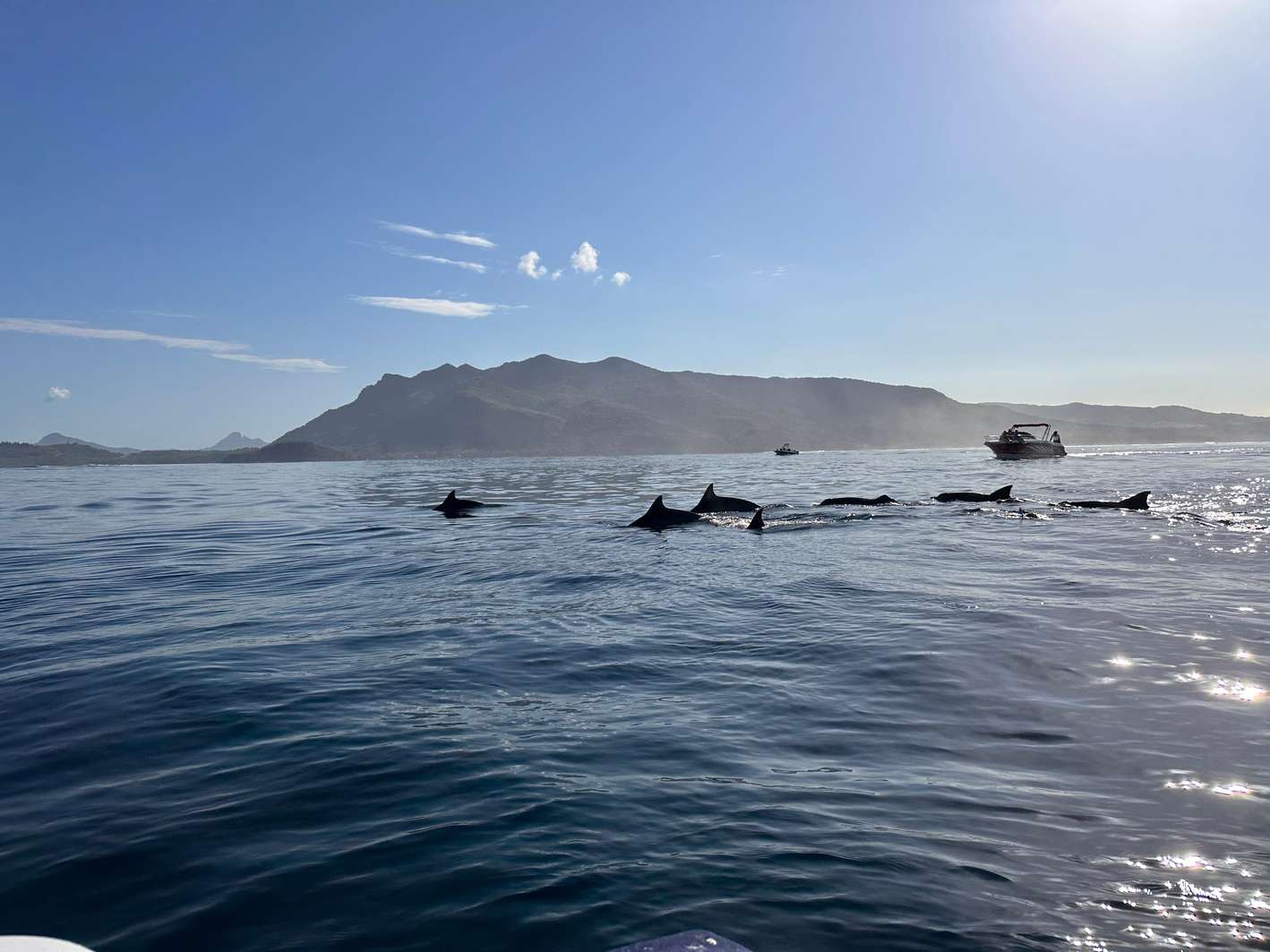
Boats may not operate within 50 metres of the closest dolphin, and from 50 to 150 metres they must run at no-wake speed, entering and leaving the zone at that speed. Skippers approach from the side, travel parallel to the pod, and never drive through or among the animals.
In the water, the rules shape your behaviour too. Touching or attempting to touch a dolphin is prohibited, as is feeding it or throwing anything near it. Making noise to attract them, approaching head-on or from behind, and circling them are all banned.
Freediving directly above a dolphin is prohibited because diving within 500 metres of the closest animal is not allowed. Motorized sea scooters are out as well, to keep acoustic disturbance down.
There is an honest caveat. Dolphins on this coast are vulnerable to disturbance, and boats have been observed changing the animals' behaviour.
A conservation group here reported boats chasing pods and raised safety concerns for animals and people. Swimming with wild dolphins can be harmless when boats keep their distance; crowding and repeated entries are what cause harm.
You can spot a well-behaved operator. It follows the approach distances, avoids pods already surrounded by boats, limits its time with each pod, and lets the dolphins choose whether to approach or ignore the boat.
Look for a pre-tour briefing that explains the guidelines. Reviews often describe how the captain behaved near dolphins, whether it kept distance or backed off when the animals changed direction.
If your own boat chases or plays loud music near a pod, ask the crew to slow down and give the dolphins space. If too many boats are around the dolphins, leave them alone.
Recreational drones may be flown only on private property, with the owner's permission, and never over the sea or beaches, so leave the drone at the hotel.
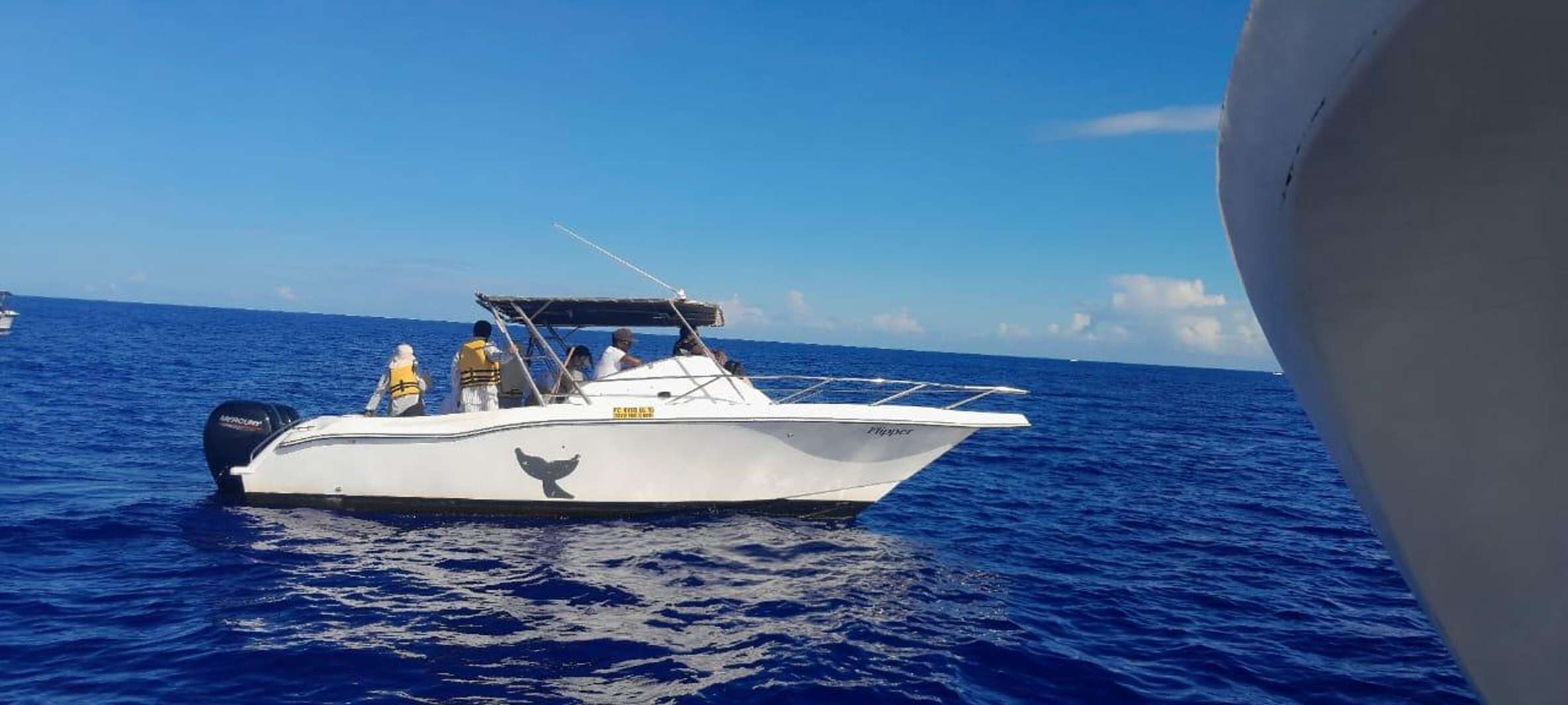
The pods set the schedule. Resident spinner and bottlenose dolphins return from deep-water nighttime feeding grounds into the sheltered waters of Tamarin Bay between 6:30 and 8:30 am.
They rest and socialize through mid-morning, usually between 7:00 and 10:30 am, then move back out toward deeper open-ocean waters by mid to late morning. A 6 to 7 am departure gets you out while the dolphins are resting near shore and before boat traffic builds.
Aim for a 6 am launch when available; 6:30 am has also been described as relatively uncrowded. One tour operator schedules departures from 7 am in May to October and reports many boats gathering after 8:30 am.
An early start puts you at the dolphins before other boats arrive, and people who go often describe the animals as curious and playful at that hour. By mid-morning the pods drift offshore as the bay fills, which makes an afternoon swim a poorer option.
The months matter too. For the best balance, aim for October to December: October has the highest recorded spinner- and bottlenose-dolphin sightings, and calm-sea days rise from 57 percent in October to 75 percent in December.
December has the calmest water; May to August are rougher, with only 39 to 45 percent calm-sea days. November is a good middle choice for clearer water and calmer swells, averaging calm seas on 63 percent of days.
September: 5 out of 5 for how busy it gets.
Tap a month to read it.
How busy it gets (out of 5): Jan 2, Feb 2, Mar 3, Apr 2, May 3, Jun 2, Jul 2, Aug 4, Sep 5, Oct 4, Nov 5, Dec 3
Book the trip for the earliest day of your holiday. That leaves room to move it if that morning's conditions turn bad, and people who go often recommend planning several boat trips across a stay, since one outing may not deliver.
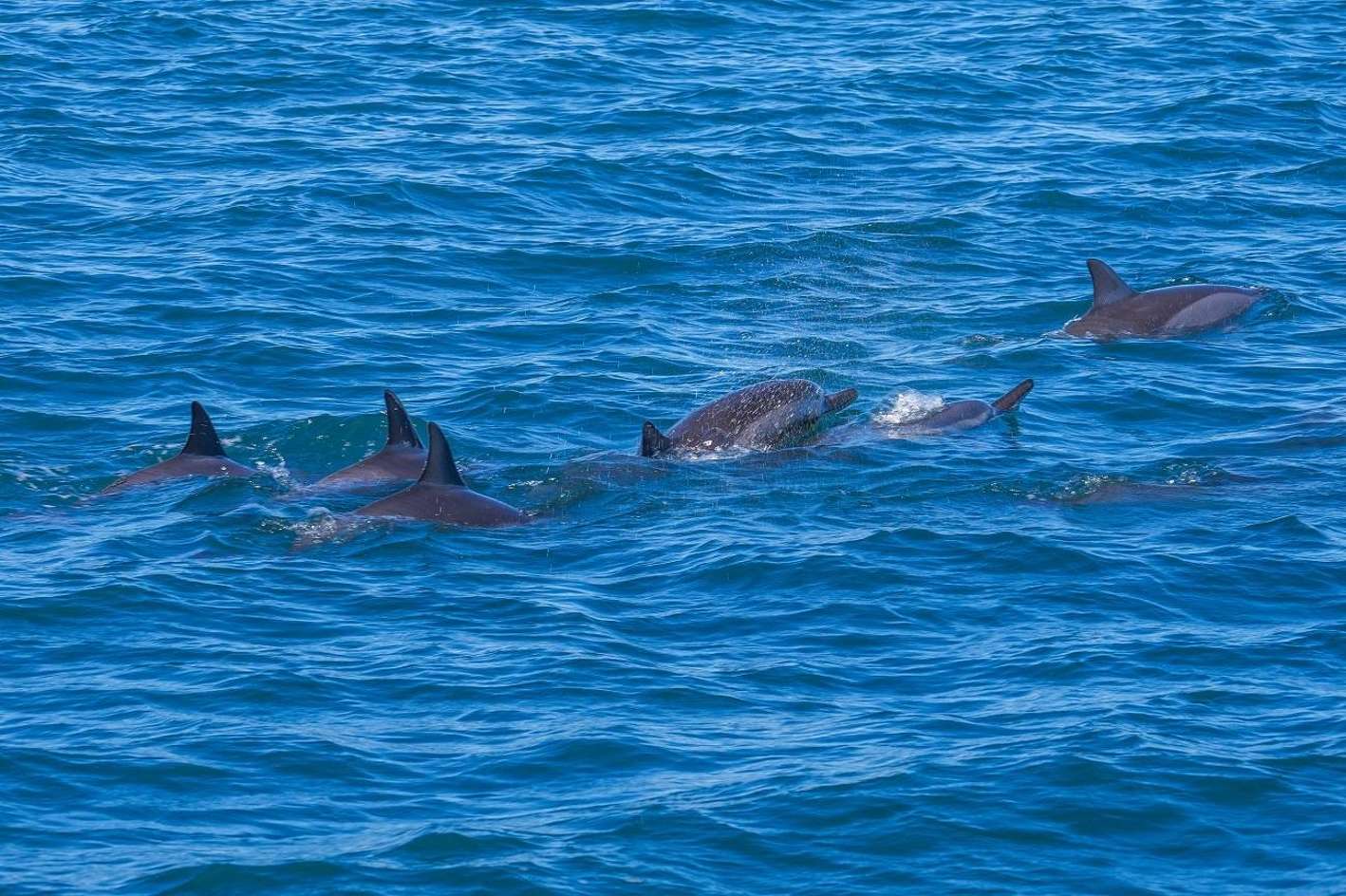
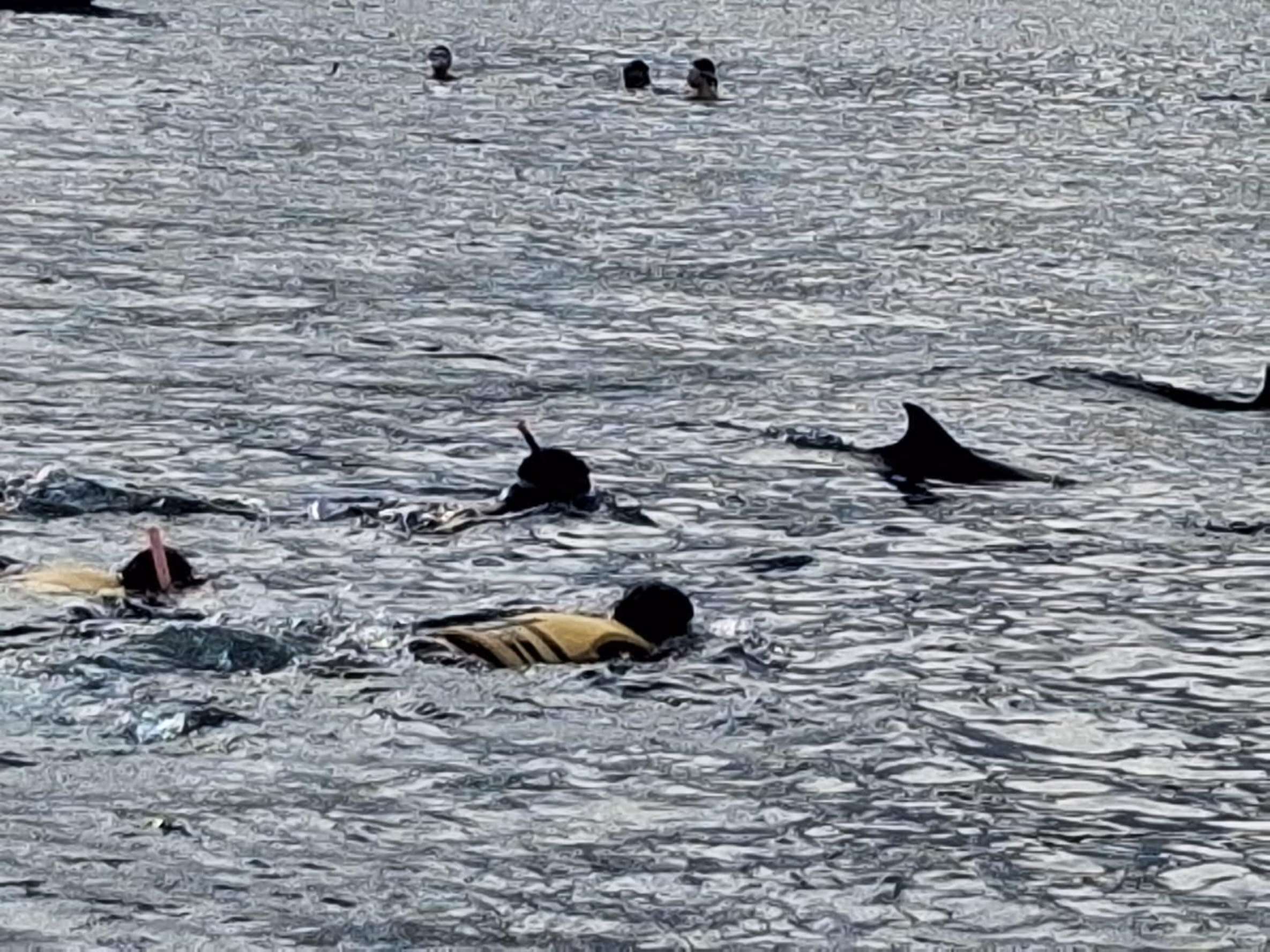
The swim happens in the open sea, outside the sheltering reef, so the swell is real. On this route, June to September can bring choppier seas and stronger winds, especially in the afternoons, while mornings are more sheltered.
October to May is calmer, and the crossing between La Preneuse and Île aux Bénitiers can be rougher on windy days. Small boats can roll while waiting at anchor, which is when sensitive stomachs notice.
Susceptibility varies from person to person, so no one can tell you in advance whether it will hit you. The countermeasures are the same ones sailors use.
Sit near the centre of the boat, stay on deck for fresh air, and keep your eyes on the horizon. Avoid reading or looking at screens if you feel unwell. Eat lightly, drink water, and skip alcohol before or during the trip.
If you are prone to it, prepare before launch. Travelers who do this often recommend taking seasickness precautions ahead of an ocean excursion, and seasickness tablets may help if you are sensitive.
If you want medicine, ask a pharmacist about a suitable option and follow the directions; preventive medicine generally works best taken before symptoms start.
If speedboats worry you, catamarans are the gentler alternative. People prone to motion sickness are usually pointed toward catamarans over speedboats, though a long crossing or a windy day can still feel choppy on either.
Picking a dawn slot helps twice over: the sea is typically calmest from first light to shortly after sunrise, roughly 6 to 9 am, before late-morning winds build.
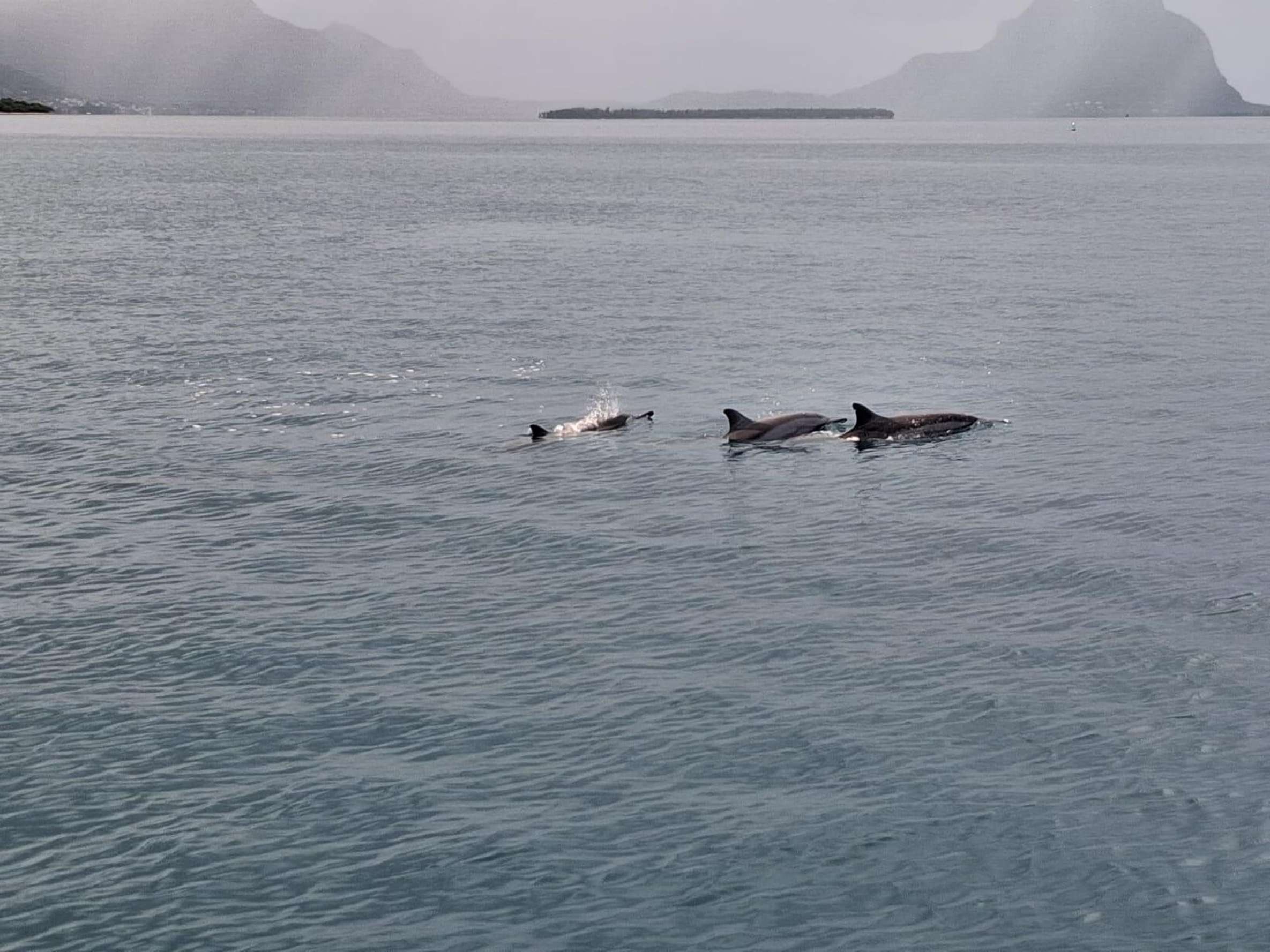
The sea gets a vote. Mauritius issues a heavy-swell warning when swell waves of 4 metres or above are likely near the island, and rough seas can hamper visibility enough to cancel dolphin trips.
Tropical cyclones and weather safety bans can shut down boat departures from November through mid-May, with the highest risk of cyclonic weather between January and March. Tour operators here say sea and weather conditions may affect the itinerary for safety, and they mean it.
| If this happens | What happens then |
|---|---|
| The sea turns rough on your booked morning | The operator may change or cancel for safety, and after a safety cancellation you may get a refund or a new date. |
| Boats already crowd the pod | The itinerary can shift; a responsible crew avoids pods surrounded by other boats and gives them space. |
| You miss the dawn slot | Mid-morning is a poorer option, because pods move offshore as the bay fills with boats. |
| The pod stays out of sight | Sightings are never certain; the sea is wild, and some trips reschedule when the pod keeps its distance. |
The practical move is to know the fallback before you book. After a safety cancellation, operators may offer a refund or a new date, though the exact policy varies. Ask when you reserve.
And if your boat reaches a pod already ringed by other boats, do not push in; ask the crew for space or move on. A quieter pod gives a better encounter than a crowded one.
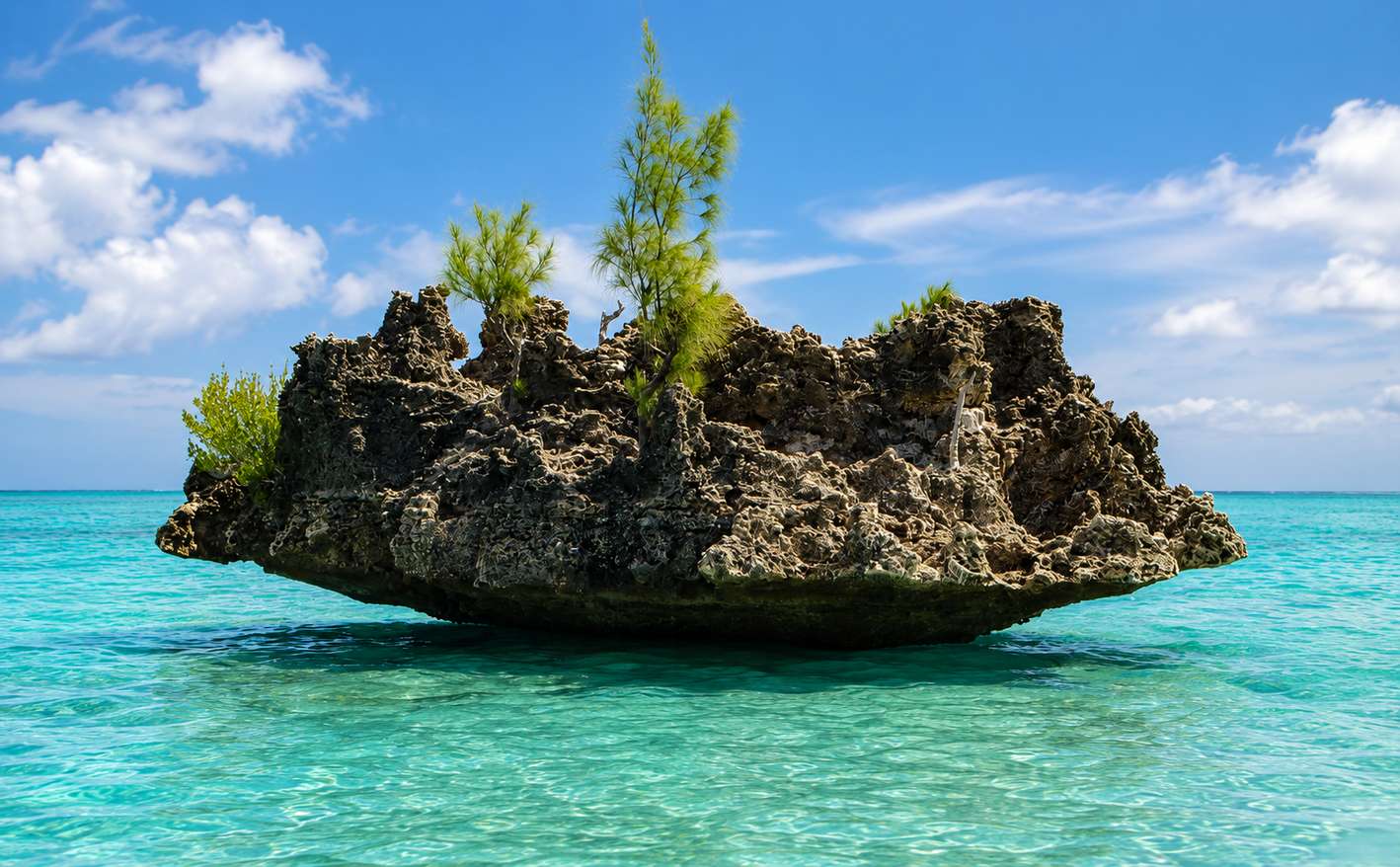

Yes, and it changes the shape of the morning. A combined dolphin swim and offshore whale watching speedboat tour from Black River usually takes 5 hours from launch to return, extending to 5.5 hours on some private charters.
It typically departs at 7 am and arrives back at the jetty around midday. The dolphin-only swim is done in half the time, so the choice comes down to how much of your morning you want to give the sea.
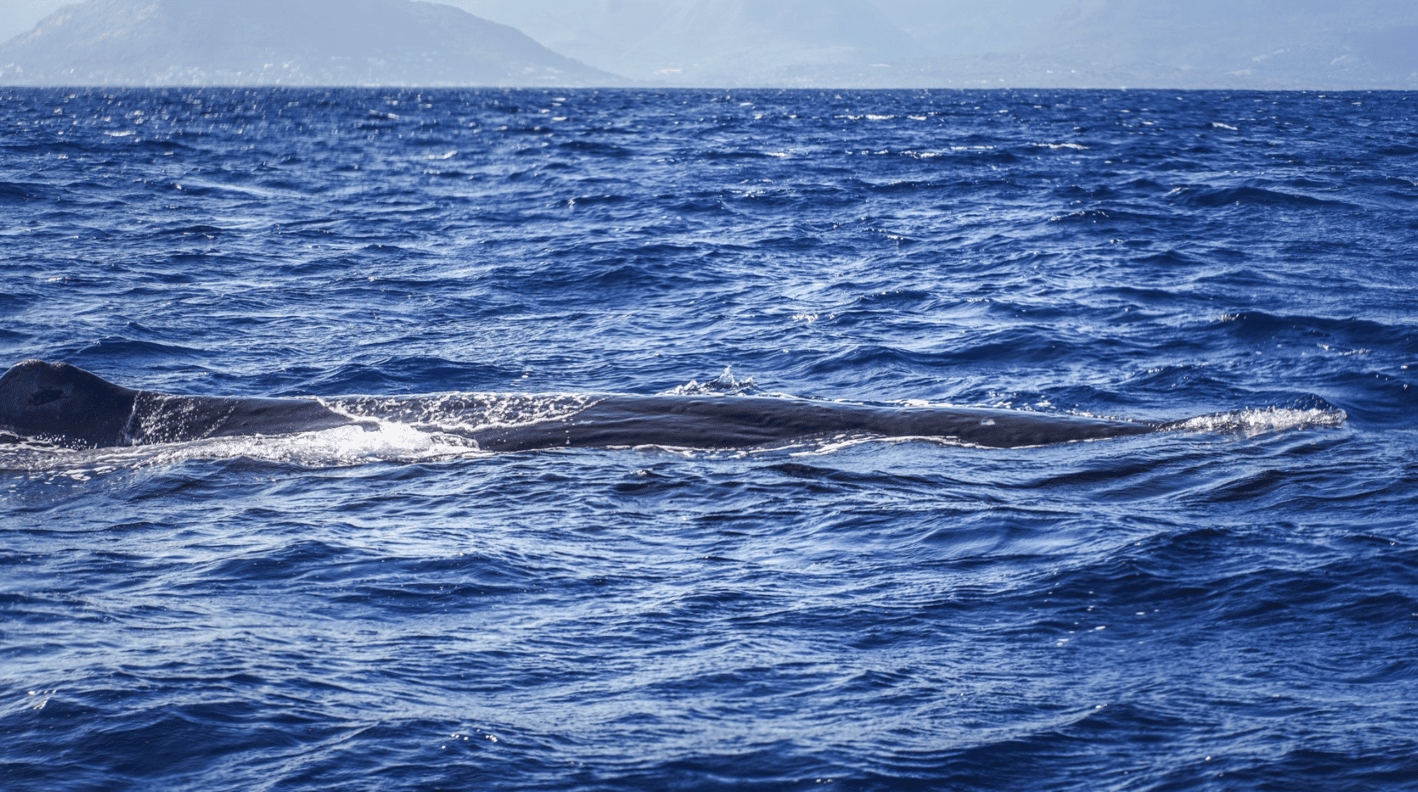
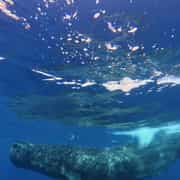
The whale half of the trip looks for resident sperm whales and, in season, migrating humpbacks. Humpback season runs from June to October, and the strongest overlap in local humpback, sperm-whale and dolphin records is August to October.
Sperm whales and dolphins show up in records in other months too, though those records say when animals were seen, and say little about your odds on any given day.
The law is strict about whales. Swimming with whales is prohibited in Mauritius, for humpbacks and sperm whales alike. Skippers must keep their boat at least 100 metres from the closest whale, and the area within that distance is a prohibited zone.
So the whales are watched from the boat, which is honestly how they prefer it, and the swimming is reserved for the dolphins.
If you are deciding, think about your stomach as well as your schedule. Five hours offshore in a speedboat is a bigger ask than a 2.5-hour morning, so book the combined trip only if the longer format suits you and the whale season is running.
Outside June to October, a dolphin-only swim is the better use of your time.
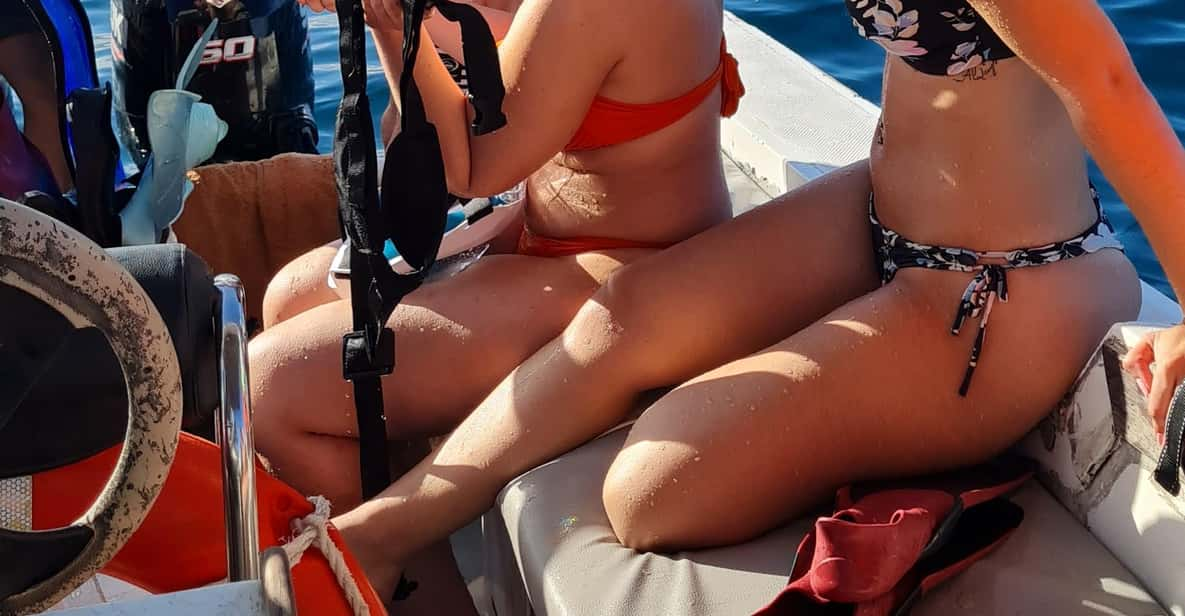
Three formats, three different mornings. The speedboat swim is the quickest route into the water: a fast ride out, brief drops near the pod, and back in 2.5 hours.
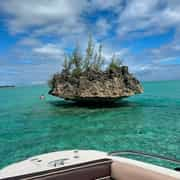
A full-day catamaran adds a barbecue lunch and drinks served on board, swimming and snorkeling stops, and a visit to Crystal Rock or Île aux Bénitiers, though catamaran encounters are mostly watch-from-the-deck, with a chance to enter the water from a distance if the pod is relaxed and conditions are right.
A private charter trades money for space and control: your own boat, your own skipper, and a pace you set.
| Speedboat swim | Full-day catamaran | Private charter | |
|---|---|---|---|
| Encounter style | Brief swims in the water as the pod passes | Mostly watching from the deck, with possible distant snorkeling | Your own boat and swimmer placement |
| Time | About 2.5 hours | Around 6 to 7 hours | Half or full day, your call |
| Crowd level | Shared boat, small groups | More people aboard, entertainment and lunch | Just your group and the crew |
| Family fit | Age limits vary by tour; some tours list pregnant women as unsuitable | Gentler motion, food included, easier for mixed ages | Most flexible for young children and special needs |
| Included | Speedboat trip, guide, snorkeling gear, water and soft drinks | BBQ lunch, drinks, island and Crystal Rock stops | Boat and skipper, often transfers |
On menus, vegetarian, vegan and halal options are commonly available on catamaran cruises, usually by advance request. On age limits, they vary by tour: one allows children aged 4 and up, another lists children under 3 as unsuitable, and some list pregnant women as unsuitable, so check the tour's own terms before you book.
One cost to factor in when comparing: a group tip of 200 to 500 MUR per person at the end of a half- or full-day trip is described as standard practice, given to the captain or lead crew member to share.

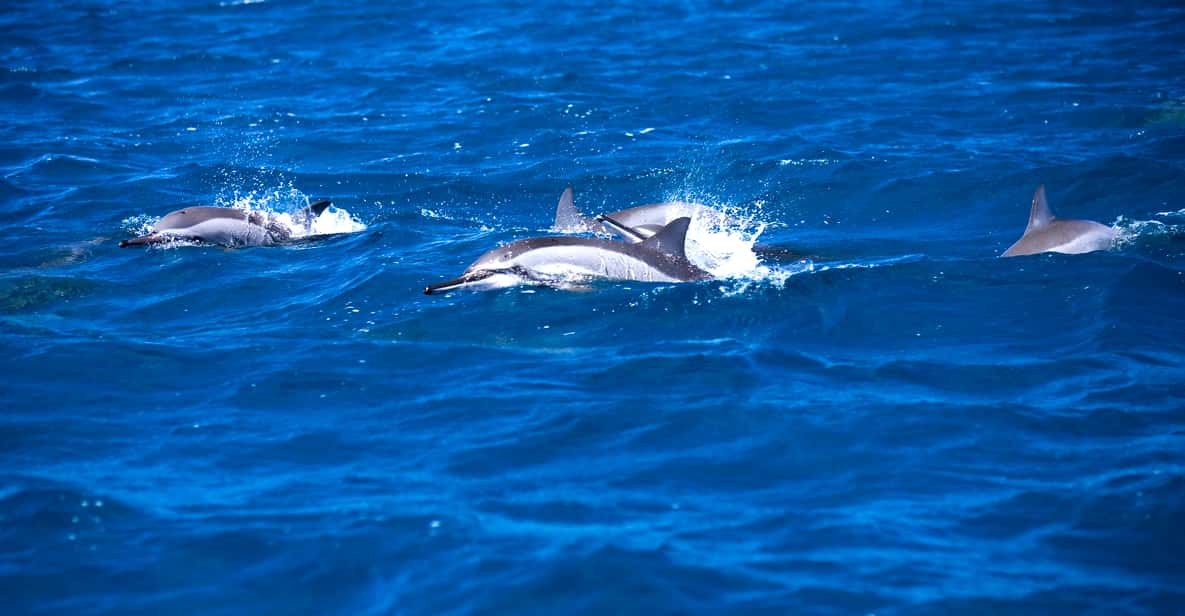
After the swim, the west coast keeps going. Le Morne Brabant sits about 9 minutes away by car, a historic place with the mountain rising over the lagoon. La Preneuse, with its natural beach, is about 18 minutes away.
Black River Gorges National Park, about 20 minutes away, is the island's big stretch of native forest and walking trails. Ebony Forest, about 26 minutes away, rounds out a day of green after a morning of blue.
One caution for the afternoon. Do not swim or snorkel out toward the outer reef on your own after the dolphin swim. Currents near reef openings can be dangerous, and boat activity adds risk.
Tamarin Bay is better suited to dolphin watching than casual coral reef snorkeling. If you want to snorkel, do not go alone, check the conditions first, and stay out of reef gaps where currents run strong.
If serious snorkeling is the goal, the top choice is Blue Bay Marine Park in the south-east, which is a different day trip entirely.
Closer to home, travelers describe Wolmar as a spot for beach snorkeling near a fish-attracting rock barrier, though they note the quality compares less favorably with some other destinations. For a short day, the dolphin coast's beaches and the drive down to Le Morne give you plenty without another boat.

Go if you can swim 50 metres in choppy water and get back on the boat unaided. Book the earliest slot, wear your swimsuit under your clothes, and let the dolphins come to you.
If open water unsettles you, pick a watch-only catamaran instead. The morning is still beautiful, and the pod decides the pace either way.
pack a light windbreaker for the boat

This page covers the rules for a respectful encounter and how to tell a careful operator from a careless one.
Timing decides the day. This page shows which months and departure hours give you calm seas and quiet water.
Before you book, this page breaks down what different trips cost and what each ticket actually includes.
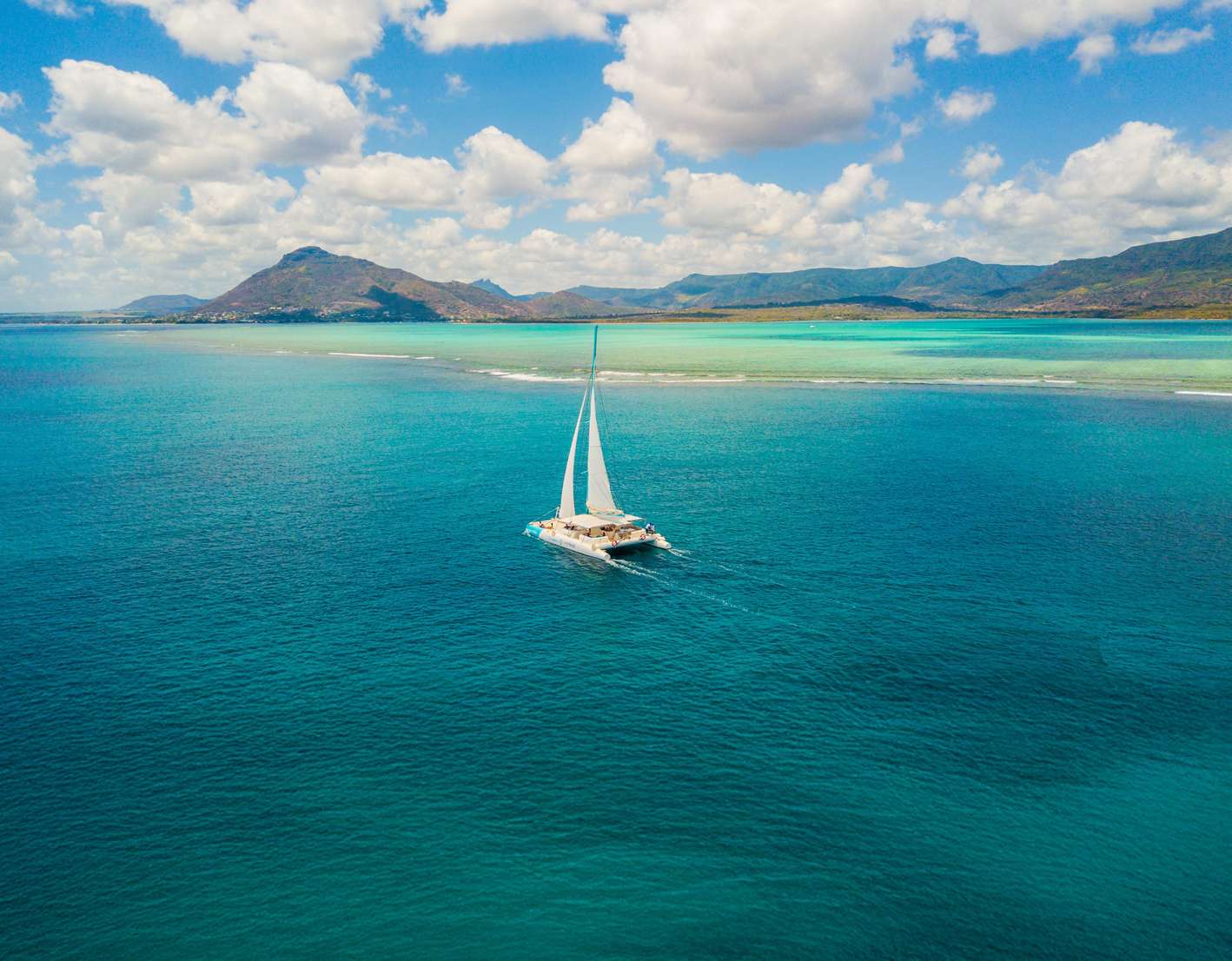
Prefer a steadier boat with lunch on board? This page walks through the full-day sailing cruises.

See dolphins at water level without an engine: this page explains the guided morning paddle in Tamarin Bay.
The reef stop matters too. This page explains the snorkeling gear and coral sites on combined trips.
swimsuit on under your clothes from the start
The things travelers ask most before slipping into the open sea off Mauritius's west coast.
 Grande Riviere Noire2026
Yes, it is a licensed activity. Paid operators need a government licence for dolphin watching with swimming, a certified skipper and a boat with a life-saver, first-aid kit and oxygen kit on board. You sign a disclaimer and get a briefing before entering the water.
Aim for competent open-water swimming: about 50 metres in choppy water without panic, wearing a mask and fins. You also climb in and out of the boat several times, so a little stamina and agility help.
In the open sea, outside the sheltered lagoon. The dolphins travel there, and the water can carry some swell, which is why lifejackets are compulsory in the water on most boats.
The skipper approaches from the side, parallel to the pod, and positions you near their path. You slip into the water quietly and watch them swim past. These are brief encounters, not controlled interactions, and you may re-enter the water several times as the pod moves.
Wear your swimsuit under your clothes for the early start and pack a light windbreaker for the breezy boat ride. Add sunscreen, a hat and a towel, and keep your phone in a waterproof pouch on a lanyard.
Closed-toe water sandals or amphibious boat shoes with non-marking rubber soles. They grip wet decks, stay on your heels on the boarding ladder and protect your feet from coral during beach landings.
No, touching is prohibited, and so is feeding them or making noise to attract them. Stay calm, keep your distance and let the dolphin approach or move on its own terms.
Regulations limit paid dolphin swims to three people in the sea at the same time, including the life-saver. On some tours you enter in pairs, with a guide timing your entry.
Most speedboat tours supply masks, snorkels and fins, plus life jackets. If you have a well-fitted mask of your own, bring it: a snug seal leaks less and helps you see the dolphins during a brief pass.
The ride out can be bumpy and splashy. Bring a 10 to 20 litre roll-top dry bag for your towel and spare clothes, and keep your phone in a waterproof pouch. A windbreaker helps with the spray too.
No. Swimming with whales is prohibited in Mauritius, though some tours include whale watching from the boat, with humpbacks around between June and October and sperm whales year-round.
Motorized sea scooters are banned near dolphins because of the noise they make. Recreational drones may only be flown over private property during daylight, and filming dolphins with one is not permitted.
90% chance of dolphins here
Join a 2.5-hour speedboat tour with a skipper briefing, snorkeling gear and lifejackets included, and cancel free up to 24 hours before.